
24 Aug 2026
Energy Is an Instrument of National Development
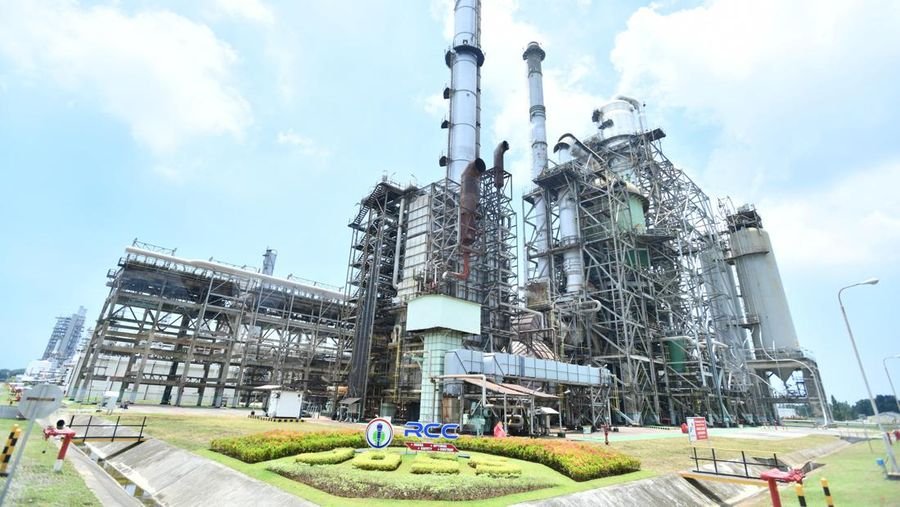
Many countries possess abundant energy resources. However, only a few are able to transform them into economic strength. The difference lies not in the amount of oil, gas, coal, or electricity they possess, but in how they utilize energy.
Successful countries do not view energy as the ultimate goal of development, but as an instrument for building industry, attracting investment, accelerating innovation, increasing productivity, and strengthening national competitiveness.
History shows that no major leap in economic development occurs without energy transformation. The Industrial Revolution was born from coal, modern globalization is powered by oil, and the digital economy now relies on electricity. Therefore, energy is not merely an economic sector. It is an instrument of national development.
This perspective is beginning to redefine development strategies in various parts of the world. For years, energy policy has been primarily measured by oil production, power generation capacity, or the size of energy subsidies.
These indicators remain important, but they are no longer sufficient. Amidst the development of artificial intelligence, data centers, electric vehicles, semiconductor manufacturing, and low-carbon industries, energy is no longer simply a driving force for the economy.
Energy is beginning to determine the direction of economic development itself. Countries are no longer competing solely to produce energy, but rather to use energy to create greater added value.
This shift is evident in the way major countries design their economic strategies. They no longer separate energy policy from industrial, technological, investment, or geopolitical policies.
Read the full CNBC Indonesia article "Energy Is an Instrument of National Development" here: https://www.cnbcindonesia.com/opini/20260821202603-14-761435/energi-adalah-instrumen-pembangunan-negara
Download the CNBC Indonesia app now: https://app.cnbcindonesia.com/
Successful countries do not view energy as the ultimate goal of development, but as an instrument for building industry, attracting investment, accelerating innovation, increasing productivity, and strengthening national competitiveness.
History shows that no major leap in economic development occurs without energy transformation. The Industrial Revolution was born from coal, modern globalization is powered by oil, and the digital economy now relies on electricity. Therefore, energy is not merely an economic sector. It is an instrument of national development.
This perspective is beginning to redefine development strategies in various parts of the world. For years, energy policy has been primarily measured by oil production, power generation capacity, or the size of energy subsidies.
These indicators remain important, but they are no longer sufficient. Amidst the development of artificial intelligence, data centers, electric vehicles, semiconductor manufacturing, and low-carbon industries, energy is no longer simply a driving force for the economy.
Energy is beginning to determine the direction of economic development itself. Countries are no longer competing solely to produce energy, but rather to use energy to create greater added value.
This shift is evident in the way major countries design their economic strategies. They no longer separate energy policy from industrial, technological, investment, or geopolitical policies.
Read the full CNBC Indonesia article "Energy Is an Instrument of National Development" here: https://www.cnbcindonesia.com/opini/20260821202603-14-761435/energi-adalah-instrumen-pembangunan-negara
Download the CNBC Indonesia app now: https://app.cnbcindonesia.com/
Bagikan informasi ini kepada kolega Anda.
Return to Home